Impact on Micron Memory and RAM Market
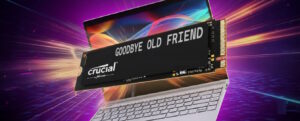
The landscape of computing is shifting dramatically, and one significant change involves the closure of Micron’s well-known brand, Crucial. For many years, Crucial has been a trusted name for those involved in building or upgrading PCs. Since the inception of Up & Running Technologies in 1995, we have relied on Crucial for high-quality memory and solid-state drives (SSDs). Just last week, we completed a review of budget SSDs and purchased another Crucial P310!
As of February 2026, however, the Crucial brand will be phased out—not due to a lack of success, but as part of a broader strategic shift.
The Official Narrative: Streamlining Operations
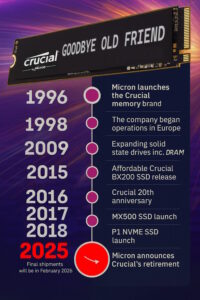
As stated in Micron’s official announcement, this decision to phase out the Crucial consumer division aligns with their strategy to streamline operations and concentrate on high-growth sectors. Essentially, while consumer-grade RAM and SSDs represent a substantial volume, they may not be meeting the high-profit margins or strategic goals that Micron desires.
The announcement specifically highlighted a focus on “data centre, automotive, and industrial markets”, which are witnessing skyrocketing demand for specialised, high-performance memory solutions. This trend is significantly driven by the burgeoning requirements of artificial intelligence (AI) and machine learning.
The Unwritten Truth: The Influence of AI
While Micron’s official explanation emphasises strategic alignment, many in the tech community believe there’s a deeper influence at work—the rise of AI. AI is about much more than just software; it necessitates vast amounts of hardware.
The NVIDIA Blackwell Effect
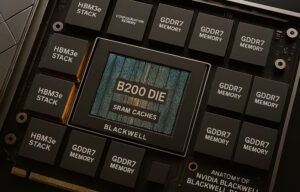
The enormous memory requirements for contemporary AI systems, epitomised by the NVIDIA Blackwell B200 GPU’s impressive 192 GB of high-bandwidth HBM3e, clarifies why Micron is withdrawing from the consumer market.
Running and training extensive Large Language Models (LLMs) calls for multi-terabyte memory pools, creating a flourishing, high-margin (approximately 75% margin) market for specialised memory components sold directly to prominent enterprise clients such as NVIDIA, Google, and Amazon.
For Micron, selling considerable quantities of high-value memory dies (like HBM components) to a select few dependable clients is far more lucrative and manageable than dealing with the logistical complexities and low margins stemming from distributing and supporting millions of individual Crucial RAM sticks and SSDs.
AI’s Gravitational Pull on Memory
Consider this:
- Extensive Data Handling: AI models necessitate processing large datasets rapidly, driving the need for high-bandwidth, low-latency memory.
- Specialised Memory Configurations: While your gaming rig may function well with some DDR4 sticks, AI accelerators and data centres often depend on specialised memory types like HBM (High Bandwidth Memory) or GDDR6, tailored for specific throughput needs.
- Enterprise-Level Reliability: The repercussions of a memory failure in a data centre handling critical AI tasks are significantly more severe than a simple blue screen on a personal computer. This compels manufacturers to prioritise extreme reliability and validation processes.
Essentially, the entire memory sector is gravitating toward enterprise and AI markets. The profit margins are favourable, demand remains consistent, and the technological challenges align well with Micron’s strengths as a leading memory manufacturer. Continuing in the highly competitive, price-sensitive consumer market for Crucial may have simply become a distraction, diverting resources from the areas offering substantial growth potential.
Final Thoughts
For many who recall assembling their first PCs, Crucial was often the go-to source. Their reliable RAM, impressive SSDs, and commitment to accessibility made the brand a favourite among DIY enthusiasts. The cessation of Crucial’s consumer division is indeed a loss for PC builders, but it serves as a poignant reminder of the rapid evolution in technology.
Today, it’s not solely about consumer desires; it’s increasingly about the requirements of AI. And those requirements are reshaping the entire semiconductor landscape.
Share this content: